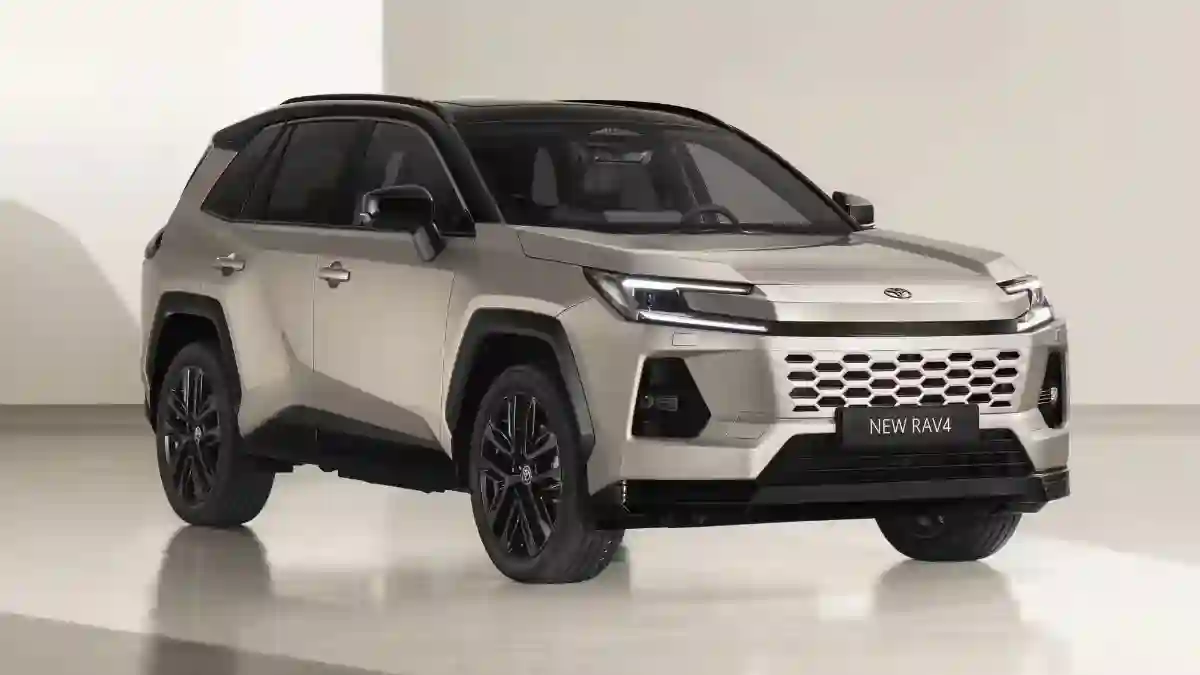
The Toyota RAV4 has remained one of the most popular SUVs in the global market, and the 2026 version brings even more focus on electrified performance. Buyers now have two main choices: the RAV4 Hybrid and the RAV4 Plug-In Hybrid (PHEV).
Both models combine a gasoline engine with electric motors, offering better fuel efficiency and lower emissions compared to traditional SUVs. However, the two versions differ significantly in price, power, mileage, charging capability, and long-term ownership costs. If you’re planning to buy a fuel-efficient SUV in 2026, understanding these differences can help you choose the right model.
Price Comparison
One of the biggest deciding factors for buyers is the price. The RAV4 Hybrid is designed to be the more affordable option. In most markets, the starting price is expected to be around $33,000–$35,000, depending on the trim level and additional features.
The RAV4 Plug-In Hybrid, on the other hand, comes with a higher price tag because it includes a larger battery pack and advanced electric driving technology. Its starting price typically ranges between $42,000 and $45,000 depending on the variant.
Although the plug-in hybrid costs more initially, some buyers may recover part of the extra cost through fuel savings and potential incentives for electrified vehicles.
Engine and Performance
Performance is another major difference between the two SUVs.
The RAV4 Hybrid delivers around 230 horsepower through a combination of a gasoline engine and electric motors. It offers smooth acceleration, reliable performance, and excellent efficiency for everyday driving.
The RAV4 Plug-In Hybrid is much more powerful. With a combined output of around 300 horsepower, it is one of the most powerful versions of the RAV4 lineup. The extra power allows the plug-in hybrid to accelerate faster and deliver a more responsive driving experience.
Drivers who want stronger performance and quicker acceleration will likely prefer the plug-in hybrid model.
Mileage and Fuel Efficiency
Fuel efficiency is one of the biggest reasons buyers choose hybrid SUVs.
The RAV4 Hybrid offers excellent fuel economy, averaging around 40 to 44 miles per gallon combined depending on driving conditions and trim levels. This makes it one of the most efficient compact SUVs available.

The RAV4 Plug-In Hybrid also delivers strong efficiency, but its biggest advantage is the ability to drive using electricity alone. When combining gasoline and electricity, the efficiency rating can reach around 90 MPGe equivalent.
This means drivers can significantly reduce their fuel consumption, especially for daily commuting.
Electric Range and Charging
A key difference between the two models is the battery and charging system.
The RAV4 Hybrid is a self-charging vehicle. Its battery charges automatically while driving through regenerative braking and the gasoline engine. Drivers do not need to plug it in.
The RAV4 Plug-In Hybrid includes a much larger battery that can be charged using a home charger or public charging stations. When fully charged, it can drive around 40 to 45 miles using electricity only.
For many people, this electric range is enough for daily commuting without using gasoline at all.
Maintenance and Ownership Costs
Maintenance costs for hybrid vehicles are often comparable to traditional gasoline cars, and sometimes even lower due to reduced engine strain.
The RAV4 Hybrid generally has slightly lower ownership costs because the system is simpler and does not require external charging equipment.
The RAV4 Plug-In Hybrid may have slightly higher maintenance and purchase costs due to the larger battery and additional charging components. However, the ability to drive on electricity can help reduce fuel expenses over time.
Interior Features and Technology
Both SUVs offer similar interiors with modern technology and comfort features.

Buyers can expect features such as:
- Large touchscreen infotainment system
- Wireless smartphone connectivity
- Advanced driver assistance systems
- Premium sound systems in higher trims
- Spacious cabin and cargo capacity
Toyota has also focused on improving safety technology and driver-assistance features in the 2026 RAV4 lineup.
Which One Should You Choose
Choosing between the two models depends largely on your driving habits and budget.
The RAV4 Hybrid is ideal for buyers who want a more affordable SUV with excellent fuel efficiency and do not want to deal with charging infrastructure.
The RAV4 Plug-In Hybrid is a better option for those who want stronger performance, electric driving capability, and lower fuel consumption during daily commuting.
If you have access to home charging and drive shorter daily distances, the plug-in hybrid can significantly reduce fuel usage.
Final Thoughts
The 2026 Toyota RAV4 lineup offers two impressive electrified options. The RAV4 Hybrid focuses on affordability, efficiency, and simplicity, while the RAV4 Plug-In Hybrid delivers stronger performance and electric driving capability.
Both SUVs provide modern technology, strong reliability, and excellent fuel efficiency. Buyers looking for a balanced and practical SUV may prefer the hybrid model, while those interested in advanced electrification and higher performance may find the plug-in hybrid worth the additional investment.